Welcome to JIECHENG



Leave Your Message
Welcome to JIECHENG
In today’s world of construction, making buildings more energy-efficient has really taken center stage. Did you know that about 40% of the energy used in buildings actually goes into heating and cooling? It’s a huge chunk! That’s where an Exterior Insulation Blanket comes into play – it can be a real game-changer for cutting down energy waste. According to the U.S. Department of Energy, if you install insulation the right way, you could see your energy costs drop by as much as 30%. Pretty impressive, right?
But, here’s the catch – applying these blankets isn’t just a matter of slap-it-on and forget it. Getting it right is super important. A lot of projects overlook key things like moisture control or whether the insulation plays well with the existing structure. In fact, a survey from the International Energy Agency found that nearly a quarter of insulation jobs don’t follow the recommended guidelines. And that can lead to mold problems or, worse, your energy bills shooting up again.
Using an Exterior Insulation Blanket isn’t just about insulation itself – it’s more like a strategic move. You’ve gotta consider seasonal weather changes and the specific conditions of your site. If you skip over those details, the whole idea might not work as well as you hope. While these products definitely bring some solid benefits to the table, it’s super important for both builders and homeowners to take a step back, do their homework, and learn the best ways to get the most out of them. After all, it’s about making smarter choices for a more comfortable and cost-effective home.

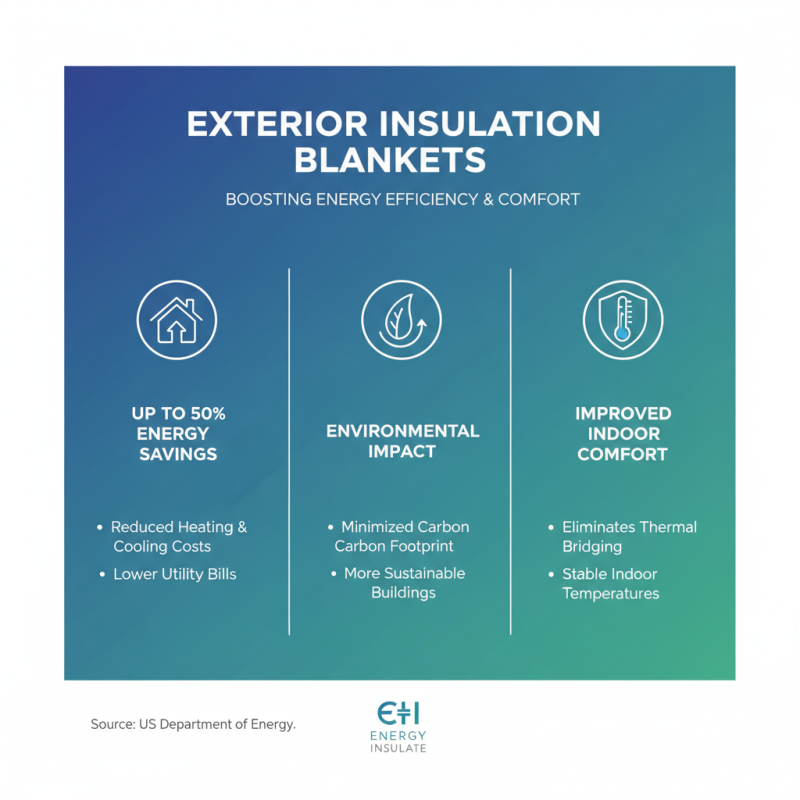
Exterior insulation blankets play a crucial role in enhancing energy efficiency in various building applications. According to the U.S. Department of Energy, proper insulation can reduce energy consumption for heating and cooling by up to 50%. This significant reduction lowers utility bills and minimizes the carbon footprint of buildings. Insulating the exterior rather than within walls also prevents thermal bridging. This ensures that energy remains contained and helps maintain comfortable indoor temperatures.
In retrofitting projects, using high-quality insulation blankets is essential. Many older buildings lack effective Insulation Solutions. Studies show that buildings without adequate insulation can lose up to 30% of heating energy through walls. This loss presents an opportunity for improvement. Nevertheless, some projects may overlook thorough assessments of existing structures before installation. A careful evaluation is vital for optimal results. Many people may also underestimate the thickness required for their insulation. This is an area worth reflecting upon to avoid subpar outcomes.
Exterior insulation can lead to higher property values. A report by the National Renewable Energy Laboratory indicates enhanced insulation can increase home resale values by up to 15%. However, it is important to select the right type of insulation for your climate zone. Not all materials perform equally well in different environments. Inadequate research can lead to ineffective installations. When considering Insulation Options, the upfront investment is pivotal. Balancing initial costs with long-term energy savings is essential for making informed decisions.
When choosing an exterior Insulation Blanket, understanding its types and applications is key. There are several options available, such as fiberglass, foam, and reflective insulation. Fiberglass Insulation blankets offer excellent thermal resistance. According to the Home Builders Institute, they can reduce energy costs by up to 30%. This makes them ideal for residential applications.
Foam insulation blankets are popular for commercial buildings. They provide a strong barrier against moisture and air movement. Reports indicate that using foam can enhance energy efficiency significantly when applied correctly.
Reflective insulation blankets work best in hot climates. These blankets reflect heat away, keeping spaces cooler. However, they might not be as effective in colder areas.
Installation can pose challenges. Improper fitting can lead to gaps that reduce effectiveness. Additionally, thick insulation blankets may make handling difficult. It's essential to follow detailed guidelines. Some users might underestimate the importance of proper sealing. This oversight can result in disappointing performance and higher energy expenses.
When selecting the right R-value for exterior insulation blankets, effective thermal resistance is crucial. R-value measures the material’s resistance to heat flow. A higher R-value indicates better insulation performance. According to the U.S. Department of Energy, for cold climates, an R-value of 49 to 60 is recommended for walls, while warmer regions may need only R-13 to R-19.
Tips: Consider your local climate when choosing R-values. Keep in mind that older homes can benefit from higher R-values to enhance energy efficiency. Inadequate insulation can lead to significant heat loss, sometimes up to 30%.
It's essential to balance insulation levels with other building materials. Dense materials may require more thermal resistance to minimize energy loss. For example, using a thick blanket in milder regions might not be necessary. Each project is unique, and adapting to specific needs is key. Testing your choices periodically can help refine your approach.
When installing exterior insulation blankets, preparation is key. Start by ensuring the surface is clean and dry. Dirt and moisture can reduce adhesion. Cut the blankets to fit the space snugly. Gaps allow air leaks, which undermine insulation effectiveness. Use proper tools to secure them in place. Relying on sheer force may not yield the best result.
Pay attention to layering. Overlapping edges properly can enhance thermal performance. Inadequate overlap may lead to cold spots. Fastening methods are also important. Use the right anchors and spacing. Too few anchors can result in sagging. Too many can cause stress on the material.
Even with these tips, mistakes can happen. Misalignment during installation is common. This can reduce insulation effectiveness. Reflect on your process and identify any key areas for improvement. Regular inspection after installation ensures long-lasting performance. Taking the time to get it right pays off in the long run.
| Installation Technique | Description | Benefits | Considerations |
|---|---|---|---|
| Proper Surface Preparation | Ensure the surface is clean, dry, and free from debris before installation. | Enhances adhesion and insulation effectiveness. | Remove any old insulation materials and repair surface damage. |
| Correct Placement | Install insulation blankets in a manner that avoids compression. | Helps maintain R-value and energy efficiency. | Ensure tight seams and overlaps to prevent air gaps. |
| Use of Fasteners | Secure insulation blankets with appropriate fasteners according to the manufacturer's specifications. | Improves stability and reduces the risk of lifting during high winds. | Check fastener compatibility with insulation material. |
| Sealing Joints | Use tape or sealant to seal the joints between blankets. | Reduces air infiltration and improves thermal performance. | Ensure compatibility of sealants with insulation material. |
| Regular Inspections | Conduct periodic inspections to check for damage or wear. | Helps in timely repairs and prolongs lifespan. | Schedule inspections at regular intervals, especially after severe weather. |
When using exterior insulation blankets, maintenance is key. Regular checks for wear can prevent larger issues. Inspect the blankets for any holes or tears. A small issue can lead to bigger problems over time. The Fire Insulation Blanket’s effectiveness diminishes with neglect. Moisture accumulation can also degrade the material. Keep an eye on the seams and edges where damage often occurs.
Cleaning is another vital aspect. Use a gentle brush or cloth to remove debris. Harsh chemicals might damage the fabric. Washing too frequently could wear it out prematurely. After cleaning, ensure the blanket is completely dry before installation. If it gets wet, let it dry properly. Leaving it damp could lead to mold.
Proper storage extends the lifespan of your insulation blanket. Roll it gently instead of folding it. This prevents creases that compromise effectiveness. Avoid storing it in direct sunlight. The sun's rays can weaken the material. Reflecting on these maintenance practices can improve your insulation strategy. Small efforts in upkeep can lead to better performance in the long run.
Weather conditions significantly impact the performance of exterior insulation blankets. Heavy rain can cause dampness, leading to decreased insulation efficiency. Wind can whisk away heat, making it harder for the blanket to maintain temperature. Not all insulation materials handle moisture well. Observing weather changes can help you make adjustments when needed.
During extreme cold, insulation often struggles. It’s essential to check for any gaps or damage. Sometimes, the blanket may not fit snugly against the surface. This can compromise effectiveness. Pipe Blanket Insulation, for instance, can freeze in subzero temperatures if not properly covered. Regularly inspect your insulation for such issues.
Intense sunlight can also degrade insulation materials over time. UV rays can weaken the structure. It’s crucial to protect them with a covering or paint designed for outdoor use. Consider the ongoing weather patterns in your area when installing insulation. Being mindful of these aspects ensures that your insulation performs well year-round.
When evaluating the use of exterior insulation blankets, it's essential to conduct a thorough cost-benefit analysis. According to industry reports, investing in Heat Insulation Blankets can yield energy savings up to 30%. This figure varies based on climate and building type. Reducing heating and cooling costs translates into real savings, making these blankets financially viable for many projects.
One significant factor to consider is the initial investment. Exterior insulation can be more expensive than traditional methods. However, the long-term benefits often outweigh these costs. Research shows that buildings incorporating effective insulation can see an ROI of around 10% annually. These figures indicate the potential for significant energy cost reductions over time.
Tips for using Heat Insulation Blankets effectively include proper installation. An air-tight application prevents thermal bridging. Ensure the blankets fit snugly against surfaces to maximize efficiency. Regular maintenance checks are crucial. Inspect for wear and tear, replacing any damaged sections promptly. A project’s success often hinges on these details. Ultimately, understanding both the costs and benefits helps in making informed decisions.
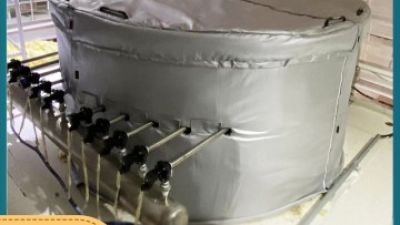
In the quest for enhanced energy efficiency, removable valve insulation covers stand out as an innovative solution. Designed to operate in extreme environments, these covers can withstand a temperature range of -70°C to 1000°C, making them highly versatile for various industrial applications. With a thermal conductivity of less than 0.035 W/(m·K) at normal temperatures, these covers ensure minimal heat loss, thereby optimizing energy consumption and reducing operational costs.
The materials used in manufacturing these insulation covers boast impressive properties. Their density ranges from 100 to 200 kg/m3, and with a thickness of 35 mm to 50 mm, they provide substantial insulation without being overly bulky. Importantly, these covers are A grade non-flammable, ensuring safety while effectively controlling heat exchange. Additionally, their anti-corrosion properties—with resistance to acids, alkalis, water, and oils—extend their usability, making them suitable for various challenging environments. Designed for longevity, these insulation covers possess a lifetime exceeding 10 years, promising durability and sustained energy efficiency for organizations committed to innovative and sustainable practices.
: It aims to enhance daily activities and improve overall efficiency.
Follow the provided instructions closely for best results. Practice makes perfect.
Most people can use it, but some may face challenges. Individual experiences vary.
Check the manual for common problems. Often, restarting helps. Don’t hesitate to ask for help.
Yes, always read warnings. Use in well-ventilated areas. Keep away from children.
Analyze your usage. Could adjustments make a difference? Reflection is key to improvement.
Yes, frustration can happen. Consider taking breaks and trying again later.
Regular cleaning is important. Use gentle solutions and avoid harsh chemicals.
Reach out for personalized advice. Addressing concerns is vital for effective use.
Some combinations work well, but others might not. Read recommendations carefully.
Exterior insulation blankets play a crucial role in enhancing energy efficiency in buildings by providing thermal resistance and reducing heat loss. Various types of exterior insulation blankets are available for different applications, and selecting the right R-value is essential for achieving optimal thermal performance. Proper installation techniques contribute to the longevity and effectiveness of these insulation solutions, ensuring they deliver the desired benefits over time.
Maintaining exterior insulation blankets involves regular inspections and adherence to best practices, which help preserve their durability in changing weather conditions. Understanding how environmental factors impact insulation performance is vital for long-term efficacy. Additionally, a cost-benefit analysis reveals that the investment in exterior insulation blankets can yield significant energy savings and improve overall project sustainability, making them a worthwhile consideration for energy-conscious construction initiatives.